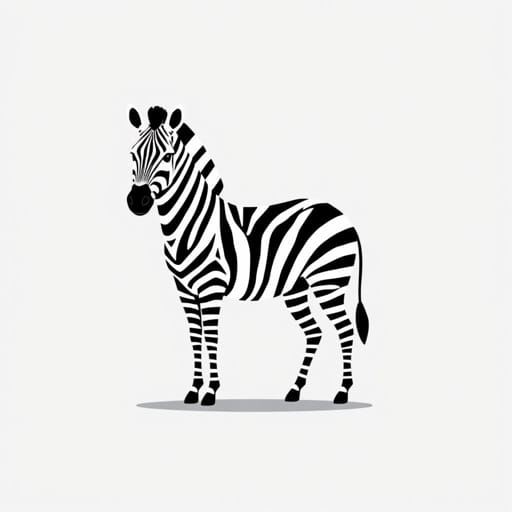
When observing the striking black and white stripes of a zebra, many people may wonder about its classification in the animal kingdom. Understanding whether a zebra is a mammal, reptile, or amphibian involves looking at key biological characteristics such as body structure, reproduction, thermoregulation, and developmental processes. Zebras are widely known for their unique coat patterns and social behavior, but their classification is rooted in fundamental anatomical and physiological traits that distinguish them from other classes of animals. By examining these traits, it becomes clear which category zebras belong to and why they are distinctly different from reptiles and amphibians.
Basic Characteristics of Mammals
Mammals are a diverse class of animals characterized by several distinct features. These include the presence of hair or fur on their bodies, the ability to regulate body temperature internally (endothermy), and the production of milk to nourish their young through mammary glands. Mammals also typically give birth to live young, although there are a few exceptions such as monotremes, which lay eggs. A key aspect of mammals is their highly developed nervous system and complex behaviors, which allow for social interaction and adaptation to various environments.
Reproduction in Mammals
Reproduction is one of the main ways to differentiate mammals from reptiles and amphibians. Most mammals, including zebras, reproduce through internal fertilization and give birth to live offspring. After birth, the young are nurtured with milk produced by the mother’s mammary glands. This method of reproduction ensures a higher survival rate for the young, as they are protected and fed during the early stages of development.
Defining Features of Reptiles
Reptiles are a class of cold-blooded, or ectothermic, vertebrates. They typically have dry, scaly skin and lay eggs with leathery shells. Reptiles rely on external sources of heat to regulate their body temperature. Common examples include snakes, lizards, turtles, and crocodiles. Unlike mammals, reptiles do not produce milk, and their parental care is generally minimal, with many species leaving their eggs to hatch independently. These characteristics contrast sharply with those of zebras and other mammals.
Amphibians and Their Traits
Amphibians, such as frogs, salamanders, and newts, are also cold-blooded but are unique in that they spend part of their life cycle in water and part on land. They typically have moist, permeable skin that allows for gas exchange, and most undergo metamorphosis, transitioning from a larval stage with gills to an adult form with lungs. Amphibians lay soft, jelly-like eggs in water, and parental care varies widely among species. The life cycle and physiological traits of amphibians are significantly different from those of mammals like zebras.
Zebra as a Mammal
Zebras belong to the family Equidae, which also includes horses and donkeys. They are warm-blooded animals covered in hair, with a specialized digestive system adapted to grazing on grasses. Their unique black and white stripes are a form of camouflage and social signaling within herds. Zebras give birth to live young, known as foals, and the mother nurses them with milk, a definitive mammalian trait. These characteristics confirm that zebras are mammals, not reptiles or amphibians.
Behavioral Traits
In addition to their physiological characteristics, zebras display social behaviors typical of mammals. They live in herds and establish strong social bonds, often protecting one another from predators. Communication among zebras includes vocalizations, body language, and facial expressions, which are behaviors more commonly associated with mammals than with reptiles or amphibians. These complex behaviors further distinguish zebras as mammals.
Comparing Zebras with Reptiles and Amphibians
When comparing zebras to reptiles, the differences are striking. Reptiles do not have hair, they are cold-blooded, and they lay eggs without lactation or parental care. Zebras, in contrast, are covered in hair, maintain a constant internal body temperature, and provide milk for their young. Amphibians also differ significantly. Their permeable skin, reliance on both aquatic and terrestrial environments, and larval metamorphosis are traits not found in zebras. These clear contrasts reinforce the classification of zebras as mammals.
Physical Adaptations
Zebras have evolved adaptations that suit their mammalian lifestyle. Their teeth are designed for grazing on tough grasses, and their digestive system allows them to extract nutrients efficiently from fibrous plants. Their limb structure supports running at high speeds to escape predators, a necessity in the African savannah where they are commonly found. These adaptations align with mammalian characteristics rather than those of reptiles or amphibians.
In summary, zebras are unequivocally mammals based on a range of physiological, reproductive, and behavioral traits. Their warm-blooded metabolism, presence of hair, live birth with lactation, and social behaviors are all consistent with the mammalian class. In contrast, reptiles and amphibians are cold-blooded and exhibit reproductive and developmental characteristics that are not observed in zebras. Understanding these distinctions is essential for classifying animals accurately and appreciating the diversity of life forms in the animal kingdom. Zebras serve as a clear example of mammalian traits in a highly adapted herbivore, emphasizing the unique characteristics that set mammals apart from reptiles and amphibians.