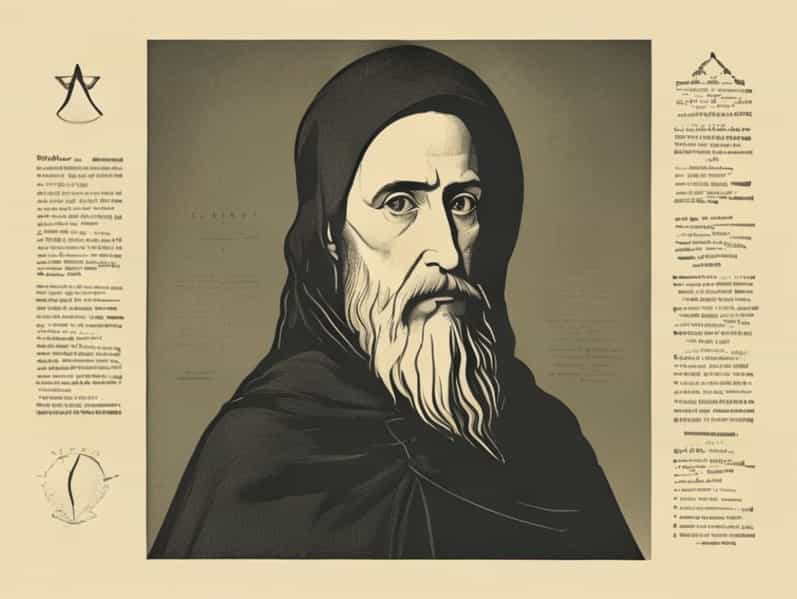
Albrecht Dürer is widely regarded as one of the most influential artists of the Northern Renaissance. Born in Nuremberg, Germany, in 1471, he became renowned for his remarkable skills in painting, printmaking, and engraving. Dürer’s work has left an indelible mark on art history, combining meticulous detail with innovative techniques that bridged the gap between Northern and Italian Renaissance art. His influence extended far beyond his lifetime, inspiring generations of artists who admired his mastery of both realistic representation and complex symbolism. Understanding Dürer’s life and achievements offers a fascinating glimpse into the artistic and cultural landscape of his era.
Early Life and Background
Albrecht Dürer was born into a family of goldsmiths, which played a significant role in developing his keen eye for detail and craftsmanship. His father, Albrecht Dürer the Elder, encouraged his artistic pursuits from an early age, enrolling him in an apprenticeship with a local painter, Michael Wolgemut. This training exposed Dürer to a combination of traditional techniques and emerging artistic trends, laying the foundation for his future innovations. By the time he completed his apprenticeship, Dürer had already developed exceptional drawing skills and a keen sense of composition.
Education and Artistic Development
Dürer’s formative years were marked by extensive travel, which allowed him to absorb different artistic styles and methods. He journeyed to Italy, where he encountered the works of Italian masters such as Leonardo da Vinci and Andrea Mantegna. The influence of Italian Renaissance principles, particularly the use of proportion, perspective, and anatomical accuracy, became evident in his later works. Dürer was unique in combining these Italian techniques with the meticulous attention to detail characteristic of Northern European art.
Major Contributions to Art
Dürer is celebrated for his contributions to both painting and printmaking, making him a pioneer in multiple artistic disciplines. His engravings, woodcuts, and altarpieces demonstrate a profound understanding of human anatomy, perspective, and symbolic representation. He produced religious works, portraits, and studies of nature, reflecting his diverse interests and technical mastery. Dürer’s prints were widely distributed across Europe, spreading Renaissance ideas and solidifying his reputation as an innovative artist.
Printmaking and Engravings
Albrecht Dürer revolutionized printmaking with his intricate engravings and woodcuts. Some of his most famous works include Melencolia I, Knight, Death, and the Devil, and The Four Horsemen of the Apocalypse. These prints showcased his skill in combining precise line work with complex allegorical and religious themes. Dürer’s prints were highly influential, making art accessible to a broader audience and establishing printmaking as a significant medium for artistic expression during the Renaissance.
Paintings and Altarpieces
In addition to his printmaking, Dürer created remarkable paintings and altarpieces. His early works often depicted religious subjects, such as the Adoration of the Magi and Paumgartner Altarpiece, which demonstrated his meticulous attention to detail and mastery of color. Later, he produced self-portraits that emphasized individual identity, reflecting the Renaissance interest in humanism and personal expression. Dürer’s paintings combined technical skill with deep symbolic meaning, cementing his status as a leading figure in European art.
Scientific and Mathematical Interests
Beyond his artistic achievements, Dürer had a keen interest in science and mathematics. He studied geometry, proportion, and perspective, publishing treatises such as Four Books on Measurement and Four Books on Human Proportion. These works provided detailed instructions for artists and architects, blending artistic creativity with scientific precision. Dürer’s mathematical approach influenced subsequent generations, emphasizing the connection between art and scientific observation in the Renaissance.
Studies of Nature and Anatomy
Dürer’s fascination with nature and human anatomy is evident in his detailed studies of animals, plants, and the human body. His observations were meticulous, aiming for both accuracy and aesthetic appeal. By studying anatomy, he could depict the human figure with unprecedented realism, combining naturalistic detail with idealized forms. These studies enhanced both his paintings and prints, making them more lifelike and technically sophisticated.
Impact and Legacy
Albrecht Dürer’s influence extended well beyond his own lifetime, shaping the development of art in Northern Europe and beyond. His combination of Northern precision and Italian-inspired proportion created a distinctive style that inspired countless artists, including Hans Holbein and Lucas Cranach. Dürer’s work contributed to the spread of Renaissance ideas, demonstrating how art could combine beauty, technical skill, and intellectual inquiry. Today, Dürer is celebrated not only for his masterpieces but also for his contributions to the broader understanding of art, science, and human observation.
Recognition and Honors
During his lifetime, Dürer enjoyed considerable recognition. He received commissions from wealthy patrons, including emperors and nobility, and was widely admired for his versatility and technical mastery. His prints circulated widely, earning him international acclaim and influencing artistic practices across Europe. Today, museums around the world display Dürer’s works, and art historians continue to study his techniques, symbolism, and contributions to the Northern Renaissance.
Interesting Facts About Albrecht Dürer
- Dürer was a master of multiple mediums, excelling in painting, printmaking, engraving, and drawing.
- He created some of the first self-portraits in European art, emphasizing personal identity and individualism.
- His interest in mathematics and proportion led him to publish influential treatises for artists and architects.
- Dürer traveled extensively to Italy, absorbing Renaissance ideas that influenced his Northern European style.
- His prints were highly detailed and widely distributed, making art more accessible to the public.
- He often included intricate symbolism and allegory in his works, reflecting philosophical and religious themes.
- Dürer studied nature meticulously, producing realistic depictions of animals, plants, and human anatomy.
- He was celebrated during his lifetime and received commissions from royalty and wealthy patrons.
- Dürer’s works influenced generations of artists, bridging Northern and Italian Renaissance techniques.
- His legacy continues today, with his art studied for both its technical brilliance and historical significance.
Albrecht Dürer remains one of the most celebrated figures of the Northern Renaissance, known for his artistic innovation, technical mastery, and intellectual curiosity. His achievements in painting, printmaking, and engraving transformed European art, while his studies in mathematics and anatomy connected art with scientific observation. Dürer’s life and works provide a fascinating window into Renaissance culture, highlighting the combination of creativity, skill, and knowledge that defined this transformative period. By examining the facts about Albrecht Dürer, we gain a deeper appreciation for his enduring influence and the timeless beauty of his contributions to the art world.