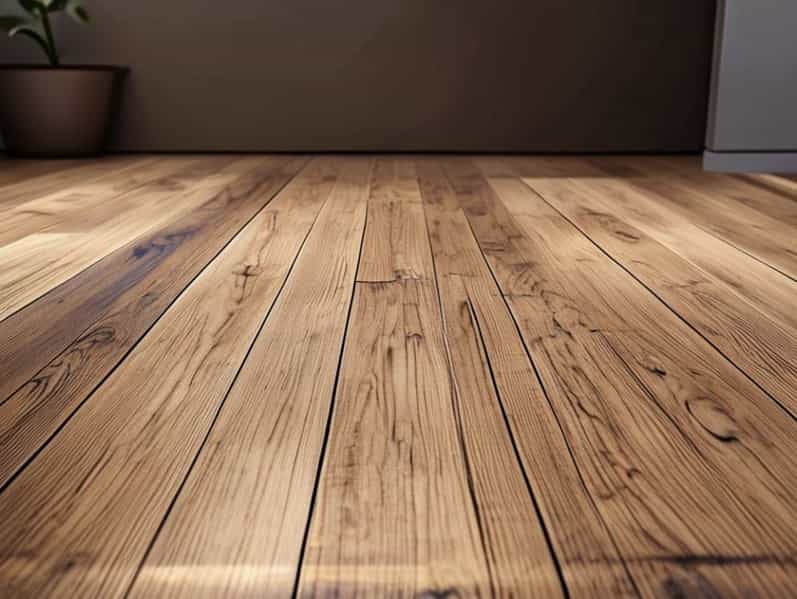
Engineered hardwood flooring has become a popular choice for homeowners seeking the beauty of traditional hardwood combined with improved durability and versatility. Unlike solid hardwood, engineered hardwood is constructed with multiple layers of wood veneer and plywood, making it more resistant to moisture and temperature changes. While it offers aesthetic appeal similar to solid wood, understanding the cost of engineered hardwood flooring is essential for budgeting and making informed decisions. The price can vary significantly based on factors such as material quality, installation type, brand, and room size, making it important to consider all elements before beginning a flooring project.
Factors Affecting Engineered Hardwood Flooring Cost
Several factors influence the cost of engineered hardwood flooring, from the type of wood to installation requirements. Knowing these factors can help homeowners estimate the total investment and avoid unexpected expenses.
Type of Wood
The species of wood used in engineered hardwood flooring directly affects the price. Common options include oak, maple, hickory, and walnut, each offering different durability, color, and grain patterns. Exotic woods such as Brazilian cherry or teak are generally more expensive due to their rarity and aesthetic appeal. The top layer, also called the veneer, is solid hardwood, while the core layers consist of plywood or high-density fiberboard, which adds stability but can vary in quality.
Grade and Finish
Engineered hardwood flooring comes in various grades, which indicate the quality of the wood veneer and the appearance. Higher-grade floors feature fewer knots, consistent color, and smoother surfaces, leading to higher prices. Additionally, the type of finish such as matte, semi-gloss, or high-gloss can influence the cost. Prefinished flooring is generally more expensive than unfinished flooring, but it saves time and labor during installation.
Plank Size and Thickness
The size and thickness of engineered hardwood planks can also impact cost. Thicker planks, typically 3/8 inch to 3/4 inch, offer better durability and can be sanded and refinished multiple times. Wider planks provide a modern look but are often more expensive than narrower boards. The combination of thickness, width, and length determines both the material cost and the visual impact of the floor.
Installation Method
Installation type is a significant factor in the overall cost of engineered hardwood flooring. There are three main methods
- Floating InstallationPlanks are not nailed or glued to the subfloor, allowing the floor to float. This method is generally quicker and less expensive.
- Glue-Down InstallationPlanks are glued directly to the subfloor, providing added stability but requiring more labor and materials, increasing cost.
- Nail-Down InstallationPlanks are nailed into a wooden subfloor, often preferred for thicker, solid-like engineered flooring. This method can be labor-intensive and costly.
Average Cost Range
The cost of engineered hardwood flooring can vary widely depending on quality, brand, and installation method. On average, the material cost ranges from $3 to $12 per square foot. Lower-end options may cost around $3 to $5 per square foot, while premium or exotic species can reach $10 to $12 or more per square foot. Installation costs also vary, typically adding $2 to $8 per square foot depending on complexity, labor rates, and preparation requirements. Therefore, the total installed cost usually falls between $5 and $20 per square foot.
Additional Costs to Consider
Several additional factors can affect the overall project cost
- Subfloor PreparationUneven or damaged subfloors may require leveling, cleaning, or moisture barriers before installation, adding to labor and material costs.
- UnderlaymentSome installations require underlayment to provide sound insulation, moisture protection, or cushioning, which can increase expenses.
- Trims and MoldingsBaseboards, transitions, and moldings are necessary to complete the floor and ensure a polished look, adding to the total price.
- Removal of Old FlooringIf replacing existing floors, removal and disposal fees can increase the total project cost.
Cost Comparison with Other Flooring Types
Engineered hardwood flooring is often compared to solid hardwood, laminate, and vinyl flooring in terms of cost and benefits. While solid hardwood can cost $6 to $15 per square foot installed, engineered hardwood offers similar aesthetic appeal at a slightly lower price with improved stability. Laminate flooring is typically less expensive, ranging from $2 to $6 per square foot, but lacks the authentic look and longevity of real wood. Luxury vinyl can also be affordable and water-resistant but may not provide the same upscale feel as engineered hardwood. Considering long-term durability and resale value is essential when comparing costs.
Tips for Budgeting Engineered Hardwood Flooring
Proper planning can help manage expenses and ensure that homeowners get the best value for their investment.
Measure Accurately
Calculate the square footage of the space accurately to avoid over- or under-purchasing materials. Remember to include extra for waste, cuts, and future repairs, typically 5% to 10% more than the measured area.
Consider DIY Installation
If you have experience, floating installation may allow you to reduce labor costs by installing the flooring yourself. However, professional installation is often recommended to ensure proper alignment, durability, and warranty coverage.
Shop Around
Compare prices from multiple suppliers, considering both local retailers and online options. Some brands offer seasonal promotions or bundled deals that can reduce material costs without compromising quality.
Factor in Maintenance Costs
Engineered hardwood flooring generally requires regular cleaning and occasional refinishing, depending on wear and thickness. Planning for maintenance ensures long-term performance and helps avoid unexpected expenses.
Engineered hardwood flooring cost varies depending on multiple factors including wood species, grade, plank size, installation method, and additional project requirements. Understanding the average cost range, potential extra expenses, and comparisons with alternative flooring options allows homeowners to make informed decisions. While the initial investment may be higher than some other flooring types, engineered hardwood offers durability, aesthetic appeal, and long-term value that often outweigh the cost. By carefully planning, budgeting, and choosing the right materials and installation method, homeowners can enjoy a beautiful, functional, and lasting floor that enhances the comfort and value of their home.