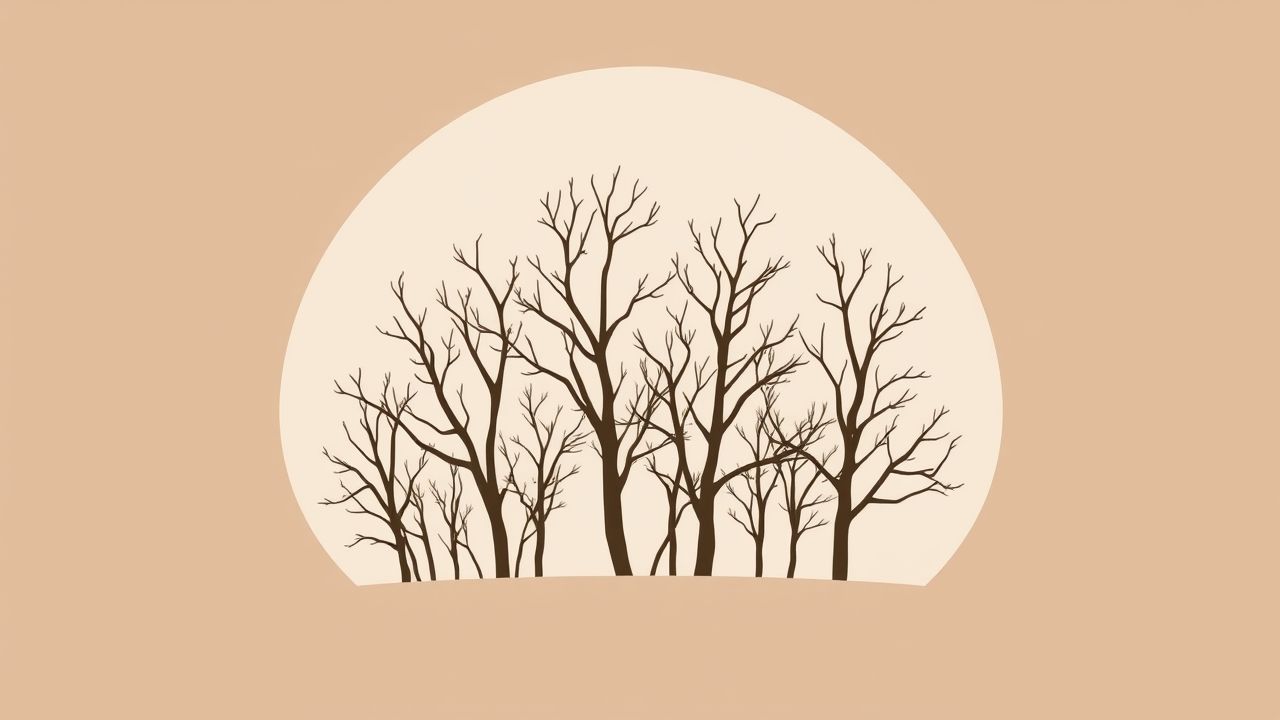
When the phrase bareness of trees is heard, it often evokes images of leafless branches silhouetted against a grey sky. In Tagalog, the translation of bareness of trees can be rendered ashubad na mga punoorkalbo ang mga puno.These phrases literally refer to trees that have shed their leaves, typically during dry seasons or cold months. The meaning, however, goes deeper than a physical description. It can also symbolize vulnerability, change, and even a quiet kind of beauty. Understanding the meaning of the bareness of trees in Tagalog involves both linguistic translation and cultural interpretation. Let’s explore the layers of this evocative expression in depth.
Literal Meaning in Tagalog
In the simplest terms, bareness means the state of being bare or exposed. When applied to trees, it refers to a tree without leaves or foliage. In Tagalog, this can be translated using several expressions depending on the context:
- Hubad na mga puno Naked trees or bare trees.
- Kalbo ang mga puno Bald trees, often used colloquially.
- Walang dahon ang mga puno Trees without leaves.
These translations convey a very vivid image that Tagalog speakers can immediately relate to, especially in regions where trees lose leaves due to climate patterns, human activity, or seasonal changes.
Symbolic Meaning of Tree Bareness
Seasons and Change
Much like in English, the bareness of trees in Tagalog is often used symbolically. A tree without leaves might be seen as a symbol of:
- Endings and transitions
- A period of rest or dormancy
- Renewal and preparation for regrowth
In Filipino culture, the cycles of nature are often closely tied to life experiences. The shedding of leaves represents letting go of pain, struggles, or the past. Just as a tree must become bare before sprouting new growth, so must a person sometimes experience emptiness before growth returns.
Vulnerability and Exposure
Another layer of meaning is emotional. Bareness may evoke vulnerability or emotional rawness. Saying that someone feels like a hubad na puno may suggest they feel exposed, isolated, or stripped of protection. This metaphor is occasionally used in Filipino poetry or song lyrics to convey sadness or loneliness.
Cultural and Environmental Perspectives
Common Images in Rural Life
In rural areas of the Philippines, seeing bare trees is a common sight during certain parts of the year, especially in the dry season or after typhoons. Farmers, elders, and local poets often reflect on these images with a blend of nostalgia and philosophy. For them, bare trees are not just part of the landscape they tell stories.
Folklore and Superstition
In some regions, bare trees are associated with spiritual beliefs. A tree that stands alone and leafless might be thought to harbor spirits or to be a place of mystery. While not widespread, such beliefs still exist in isolated communities and add another layer of interpretation to the bareness of trees in Tagalog-speaking contexts.
Use in Literature and Poetry
Metaphorical Language
Filipino poets and authors often draw from nature to reflect human emotions. The image of a bare treehubad na punocan appear in works that talk about loss, heartbreak, or solitude. For example, a line might read:
Parang hubad na puno ang puso ko walang sigla, walang dahon ng pag-asa.
(My heart is like a bare tree without energy, without the leaves of hope.)
Such poetic uses enrich the cultural understanding of the term and deepen its emotional impact.
Symbol in Storytelling
In folktales or short stories written in Tagalog, a bare tree may mark the beginning of a transformation, signaling that something is about to change either in nature or in a character’s journey. This symbolism makes the image both powerful and memorable.
Environmental Awareness and Real-Life Application
Deforestation and Its Visual Impact
Sadly, not all bareness of trees is seasonal. In many provinces of the Philippines, trees become permanently bare due to deforestation. In this case, the term takes on a somber tone. Environmental activists might say:
Kalbo na ang kagubatan dahil sa ilegal na pagputol ng mga puno.
(The forest is now bare because of illegal tree cutting.)
This usage reminds us of the importance of caring for nature and of the visual power the phrase bareness of trees holds in environmental advocacy.
Reforestation and Symbol of Hope
On the brighter side, the sight of bare trees is sometimes the beginning of reforestation. When old trees are cleared responsibly to allow new growth, it represents hope and renewal. In this sense, the bareness is only temporary and filled with promise for the future.
Emotional Connections with Nature
Many Filipinos have strong emotional ties with the natural environment. Whether they live in the city or countryside, trees are not just background elements. They provide shade, food, stories, and a sense of place. When trees are bare, people notice. They associate it with changes in weather, the coming of storms, or even moods of melancholy.
The Tagalog language captures this connection beautifully, offering ways to describe nature not just visually but emotionally. The phrase hubad na mga puno may trigger personal memories childhood walks, family farms, or a changing neighborhood. It’s a reminder that nature’s cycles and human emotions are closely linked.
The Deeper Layers of a Simple Phrase
The bareness of trees, translated into Tagalog ashubad na mga puno, is far more than just a physical description. It carries emotional, symbolic, cultural, and environmental meaning. Whether referring to the literal state of trees in dry seasons or symbolizing the emotional vulnerability of a person, the phrase resonates deeply in both language and life.
Understanding this phrase enriches our awareness of the natural world and how we use language to reflect our experiences within it. In Tagalog, even a bare tree can speak volumes.